
Meta CTAs, Digital marketing today is not just about visibility it is about action. You can have the most beautiful visuals, clever captions, and strong targeting, but if users do not take action, your campaign fails. This is where meta facts become one of the most powerful tools in modern marketing. They quietly guide users, shape decisions, and turn interest into results.
Unlike flashy trends that come and go, meta actors have remained essential because human behavior has not changed: people still need direction. When someone scrolls through Facebook or Instagram, they are not actively searching they are discovering. A clear call to action bridges the gap between discovery and decision.
This article explains everything you need to know from basics to psychology to strategy so you can use meta acts effectively and ethically, while improving engagement, conversions, and long-term performance.
Table of Contents
What Are Meta CTAs in Simple Human Terms?
At their core, meta actors are built-in action buttons provided by Meta platforms such as Facebook and Instagram. These buttons appear below ads or content and invite users to take a specific step like visiting a website, sending a message, or making a purchase.
Think of them as signposts. Without a signpost, users may like your content but feel unsure about what to do next. meta ctas remove uncertainty and reduce decision fatigue by clearly saying, “Here’s your next step.”
Common examples include:
- Learn More
- Shop Now
- Send Message
- Sign Up
- Download
Each one speaks to a different user mindset, and choosing the right one is both an art and a science.
Why Meta CTAs Matter More Than You Think
Many marketers focus heavily on visuals and copy but treat CTAs as an afterthought. This is a mistake. Meta chats directly influence click-through rates, conversion costs, and campaign efficiency.
From a human perspective, people hesitate when choices are unclear. When users see a strong CTA, they feel guided rather than pressured. This is why ads with clear meta facts consistently outperform ads that rely only on creative storytelling.
They also help Meta’s algorithm understand your campaign objective. When your goal, creative, and CTA align, the system can optimize delivery more effectively.

The Psychology Behind Meta CTAs
Human behavior plays a huge role in why meta actors work. People prefer clarity over complexity and guidance over guessing. A visible CTA reduces mental effort, which increases the likelihood of action.
Urgency-based CTAs like “Shop Now” trigger impulse behavior, while softer options like “Learn More” appeal to cautious users. Trust also matters. Because these buttons are native to Meta platforms, users subconsciously trust them more than random links.
In short, meta cats work because they respect how humans actually think and decide.
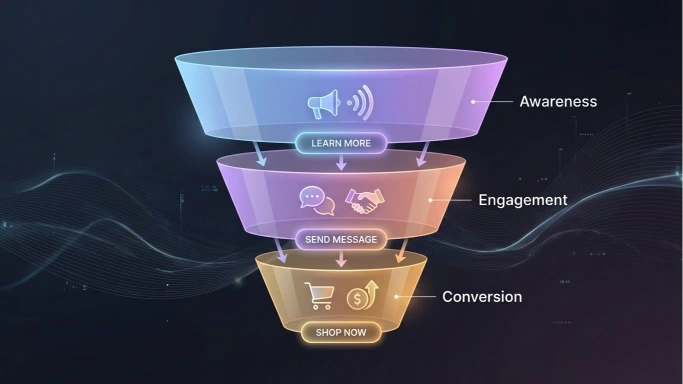
Matching Meta CTAs With Marketing Goals
Different goals require different actions. One CTA cannot serve every purpose. Smart marketers match meta facts to campaign intent.
Awareness Goals
When introducing a brand or concept, use CTAs that feel low-commitment. Users are more likely to click when they feel no pressure.
Engagement Goals
If your aim is conversation or interaction, message-based CTAs perform better. These encourage two-way communication instead of passive clicks.
Conversion Goals
For sales, clarity is key. Action-oriented CTAs remove hesitation and guide users toward checkout.
Choosing the wrong meta acts for the wrong goal creates friction and wastes ad spend.
Common Types of Meta CTAs and When to Use Them
| Goal Type | Best CTA Style | Why It Works |
| Brand Awareness | Learn More | Low pressure, curiosity-driven |
| Lead Generation | Sign Up | Clear value exchange |
| Sales | Shop Now | Direct and action-oriented |
| Customer Support | Send Message | Feels personal and immediate |
This table shows that meta actors are not interchangeable. Each one speaks to a different emotional state.
How Meta CTAs Improve Ad Performance Metrics
Performance marketing is driven by numbers, and meta chats directly influence those numbers. A well-chosen CTA can:
- Increase click-through rate
- Lower cost per result
- Improve relevance score
- Boost conversion consistency
Ads without clear CTAs often receive engagement but no action. When meta chats are aligned with copy and landing pages, users move smoothly through the funnel.

Designing Ads Around Meta CTAs (Not the Other Way Around)
One mistake marketers make is designing ads first and adding CTAs later. The better approach is to design around meta actors from the beginning.
Ask yourself:
- What action do I want the user to take?
- What emotion should they feel before clicking?
- Does the creative support the CTA promise?
When visuals, messaging, and meta facts work together, ads feel natural instead of salesy.
The Role of Consistency in CTA Success
Consistency builds trust. If your ad promises one thing and your CTA suggests another, users hesitate. For example, an ad offering education should not end with a hard sales CTA.
Effective meta facts match:
- Ad copy
- Visual message
- Landing page content
This consistency reassures users that clicking is safe and worthwhile.
Testing and Optimizing Meta CTAs Over Time
No marketer gets it perfect on the first try. Testing is essential. Small changes in meta factors can produce significant differences in performance.
Run A/B tests where everything stays the same except the CTA. Over time, patterns emerge:
- Some audiences prefer softer CTAs
- Others respond better to direct action
Optimization is not about guessing it is about listening to data while respecting human behavior.
Mistakes That Reduce the Effectiveness of Meta CTAs
Even experienced marketers make errors with meta facts. The most common include:
- Using the same CTA for every campaign
- Ignoring mobile usability
- Mismatching CTA and landing page
- Overusing aggressive CTAs
Another mistake is overexposure. When users see the same meta acts repeatedly, they tune out. Rotation keeps engagement fresh.
Meta CTAs and Mobile-First Behavior
Most users access Meta platforms on mobile. This makes meta cats even more important. On small screens, users scan quickly and decide fast.
A clear CTA button is easier to tap than reading a long copy. Mobile-friendly meta facts respect speed, simplicity, and thumb-friendly design.
How Meta CTAs Support Long-Term Brand Growth
Beyond short-term conversions, meta chats help train audiences on how to interact with your brand. Over time, users learn what to expect when they click.
This familiarity builds confidence, which improves:
- Repeat engagement
- Customer lifetime value
- Brand credibility
Strong meta actors are not just sales tools they are relationship builders.
Using Meta CTAs Ethically and Authentically
Manipulative CTAs may drive clicks but damage trust. Ethical marketing means your meta actors should always deliver on their promise.
If a CTA says “Learn More,” provide real information. If it says “Get Offer,” make the offer clear and honest. Authenticity ensures long-term success.

Advanced Strategies for Experienced Marketers
Experienced advertisers use meta chats dynamically. They rotate CTAs based on funnel stage, retargeting audience, or user behavior.
For example:
- Cold audiences see educational CTAs
- Warm audiences see engagement CTAs
- Hot audiences see conversion CTAs
This layered approach respects the customer journey and maximizes ROI.
Final Thoughts on Meta CTAs
In digital marketing, clarity wins. meta ctas give clarity to users, direction to campaigns, and structure to strategy. They transform passive attention into intentional action.
When chosen thoughtfully, tested regularly, and aligned with human behavior, meta actors become one of the most reliable drivers of sustainable growth. Mastering them is not optional it is essential for anyone serious about performance marketing.