

In the digital age, businesses and marketers are constantly looking for tools that provide transparency, competitive insights, and enhanced advertising strategies. One such essential tool is the meta ads library search. Whether you are a small business owner, a digital marketing professional, or an academic studying advertising trends, understanding this tool is crucial for maximizing your campaigns’ efficiency and ensuring ethical advertising practices.
Table of Contents
What is Meta Ad Library Search?
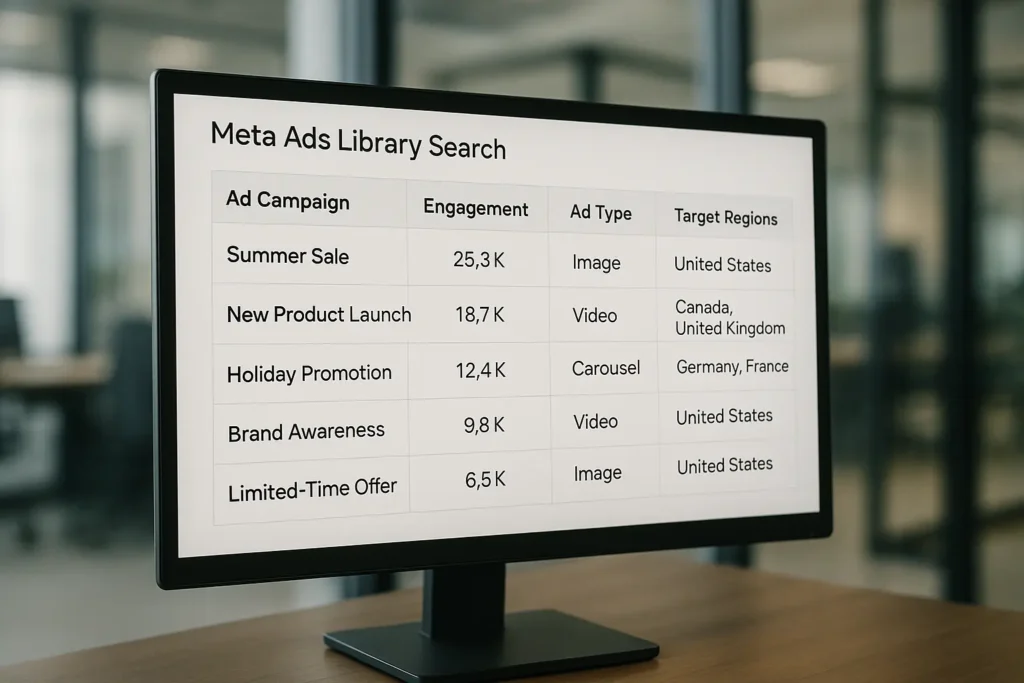
The meta ads library search is an online platform created by Meta (formerly Facebook) to provide transparency about all advertisements running across its platforms, including Facebook, Instagram, Messenger, and Audience Network. The primary goal of this library is to allow users to view ads, analyze ad performance, and understand advertising strategies used by brands globally.
Unlike other platforms where advertisers’ campaigns are often hidden, the meta ads library search is fully accessible to the public. It offers an unprecedented level of insight into the advertising ecosystem, enabling better-informed decisions for marketers and consumers alike.
Key Features of Meta Ads Library Search
The meta ads library search offers a range of features designed to help users access information efficiently:
- Search by Advertiser: Users can search by a brand or organization name to view all active ads associated with that entity. This feature helps businesses understand competitor strategies and trends.
- Ad Transparency: Every ad listed in the library includes essential information such as start and end dates, target demographics, and regions where the ad is displayed. This transparency is particularly valuable in sectors like politics and finance, where ad ethics are closely monitored.
- Ad Categories: Users can filter ads by categories such as political ads, social issue campaigns, and commercial promotions. This helps focus on the type of advertising relevant to their research or business needs.
- Historical Data Access: The meta ads library search allows users to access past ad campaigns, enabling marketers to analyze trends over time and adjust their strategies accordingly.
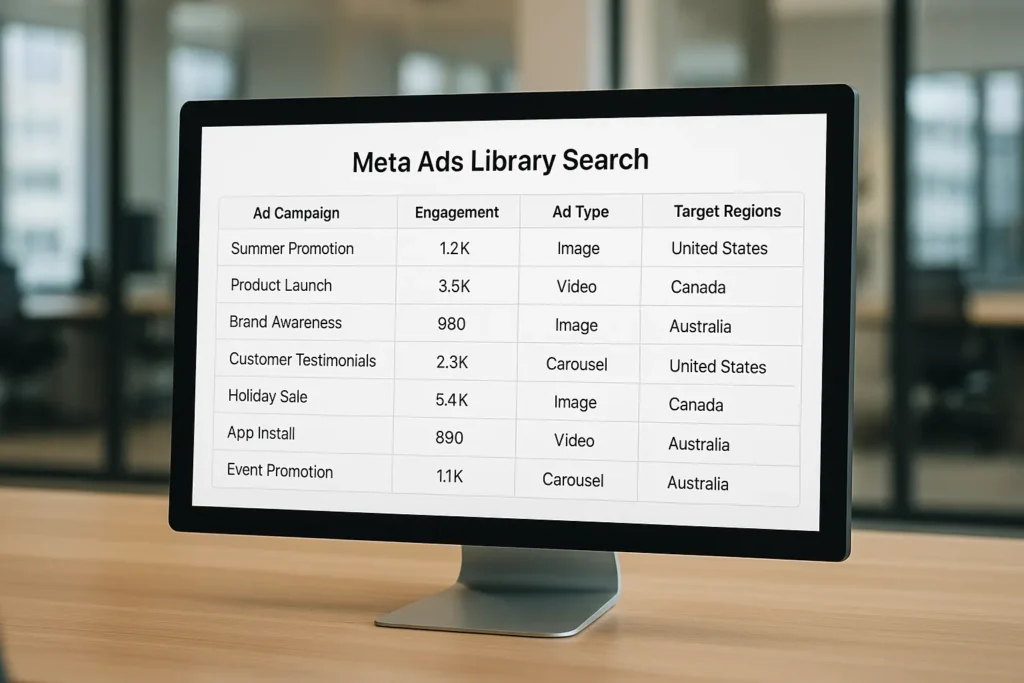
- Visualization Tools: The platform provides tools to visualize ad reach, engagement, and performance, giving a clearer picture of what works and what doesn’t in various advertising campaigns.
How Meta Ads Library Search Benefits Businesses
Businesses of all sizes can leverage the meta ad library search for various purposes:
- Competitive Analysis: By observing the ads of competitors, businesses can identify popular trends, ad formats, and messaging strategies that resonate with audiences.
- Campaign Planning: Insights gained from the library can inform creative and strategic decisions, helping marketers craft campaigns that are more likely to succeed.
- Regulatory Compliance: The transparency of the library ensures that businesses comply with advertising regulations and ethical standards, particularly in sensitive areas like political or social issue advertising.
- Market Research: Advertisers can explore demographics, regions, and engagement metrics to understand target audience behavior better, which informs both marketing and product development strategies.

Steps to Use Meta Ad Library Search Effectively
Using the meta ads library search is simple, but maximizing its potential requires a structured approach:
- Identify Your Objective: Determine whether you are researching competitors, analyzing trends, or monitoring specific ad campaigns.
- Use Filters Strategically: Utilize filters such as country, ad type, and active status to narrow down the search results to the most relevant ads.
- Analyze Ad Content: Look at ad visuals, copy, call-to-actions, and formats. This can inspire new creative ideas and highlight what resonates with audiences.
- Track Engagement: Although the library does not provide exact revenue metrics, it offers insights into engagement and reach, which can serve as proxies for ad performance.
- Document Insights: Maintain records of ads and patterns observed in the meta ads library search to use as reference for future campaigns.
Table: Example Comparison of Ads from Competitors
| Brand Name | Ad Type | Target Region | Engagement Insights | Notes |
|---|---|---|---|---|
| Brand A | Video | USA | High likes, moderate shares | Focused on product launch |
| Brand B | Carousel Ads | UK | Moderate engagement | Highlighted multiple products |
| Brand C | Political | Canada | High comments, shares | Emphasis on awareness |
| Brand D | Image Ads | Australia | Low engagement | Minimal CTA usage |
This table demonstrates how businesses can use the meta ads library search to gain insights about competitors’ strategies, types of content used, and audience response.
Meta Ads Library Search for Political and Social Campaigns
One of the significant impacts of the meta ads library search is in monitoring political and social issue campaigns. Political advertising has been under scrutiny due to concerns about misinformation, foreign influence, and ethical violations. The library allows:
- Public Access to Political Ads: Users can see who is paying for political ads, their target audience, and the regions where these ads are displayed.
- Transparency in Social Campaigns: Organizations advocating social issues can be analyzed for their messaging and outreach strategies.
- Tracking Trends: Researchers and policymakers can monitor ad trends, study audience reception, and assess the impact of campaigns over time.
Common Mistakes to Avoid in Meta Ads Library Search
While the meta ads library search is powerful, misuse or misunderstanding can lead to inaccurate conclusions. Common mistakes include:
- Ignoring Historical Ads: Only analyzing active ads may provide incomplete insights. Historical campaigns can reveal trends and evolving strategies.
- Overlooking Demographic Details: The library provides demographic breakdowns. Not considering this information can lead to misinterpretation of engagement data.
- Assuming Performance Equals Success: Engagement metrics like likes or shares do not always translate into business results. Complementing this data with internal performance metrics is essential.
- Neglecting Global Variations: Ad strategies differ by region, culture, and regulations. Observing ads only from a single market may not provide a complete picture.
Tips to Maximize Meta Ads Library Search
To get the most value out of the meta ads library search, consider these tips:
- Regular Monitoring: Check the library periodically to stay updated with competitors’ campaigns and industry trends.
- Use for Creative Inspiration: Observe ad formats, copywriting techniques, and design elements that generate engagement.
- Benchmarking: Compare your campaigns with similar ads to identify strengths and weaknesses.
- Cross-Reference Platforms: While Meta provides valuable insights, also consider comparing with ads on other platforms to understand multi-platform strategies.
Table: Example Usage Scenarios of Meta Ads Library Search
| Scenario | Objective | How Library Helps |
|---|---|---|
| Small Business Marketing | Improve ad engagement | Observe competitors’ ad visuals & copy |
| Political Campaign | Ensure transparency and compliance | View who is funding ads and targeting |
| Academic Research | Study advertising trends | Access historical and active ad data |
| Product Launch | Identify trending ad formats | Analyze top-performing ad types |
| Social Awareness Campaigns | Measure outreach effectiveness | Study engagement and messaging style |
Using the meta ads library search in these scenarios not only helps users gain insights but also fosters strategic decision-making. For small businesses, it provides inspiration and practical ideas to craft compelling ads that resonate with their audience. Political campaigns can leverage the library to maintain accountability and ensure transparency, building trust with voters. Researchers and students gain access to a rich repository of data, making it easier to analyze trends, study patterns, and evaluate the effectiveness of different ad strategies across regions and demographics.
Moreover, the library allows brands launching new products to benchmark their campaigns against industry standards. Social awareness campaigns benefit from observing successful messaging techniques, enabling organizations to optimize engagement and outreach. By systematically analyzing the information available through the meta ads library search, advertisers can fine-tune targeting, improve creative content, and measure audience response more accurately. This ensures that campaigns are both efficient and ethically aligned with best practices.
Meta Ads Library Search and Ethical Advertising
Transparency is at the heart of the meta ads library search. By making ad data public, Meta encourages ethical advertising practices. This is particularly relevant in sectors where misinformation or deceptive advertising can have significant consequences, such as healthcare, politics, and financial services.
Ethical advertisers can use the library to:
- Verify Competitor Claims: Ensure competitors are not misleading audiences.
- Educate Teams: Train marketing teams on ethical ad creation.
- Monitor Campaign Compliance: Stay aligned with advertising guidelines and local regulations.
Future Trends in Meta Ads Library Search
As digital advertising continues to evolve, the meta ads library search is likely to grow in importance:
- Enhanced Analytics: Meta may provide deeper analytics about ad performance and audience engagement.
- AI Integration: Advanced AI tools could help automate competitor analysis and trend detection within the library.
- Greater Transparency: Increasing pressure on platforms may expand the library’s scope to include more detailed spending and targeting metrics.
Conclusion
The meta ads library search is more than just a transparency tool; it is a critical resource for marketers, researchers, and policymakers. By providing access to historical and current advertisements, the platform enables better decision-making, encourages ethical advertising, and fosters competitive intelligence. Businesses that effectively use the library can gain a significant advantage in understanding their market and optimizing campaigns.
Understanding how to navigate and leverage the meta ads library search is no longer optional—it is a strategic necessity for anyone involved in digital advertising. By combining insights from this tool with robust marketing strategies, advertisers can achieve measurable growth, better engagement, and compliance with advertising ethics.